

CHAMPS Updates
CHAMPS News
“Seeing It All Come Together” – CHAMPS Leadership Visits the Special Adviser on Health to the President
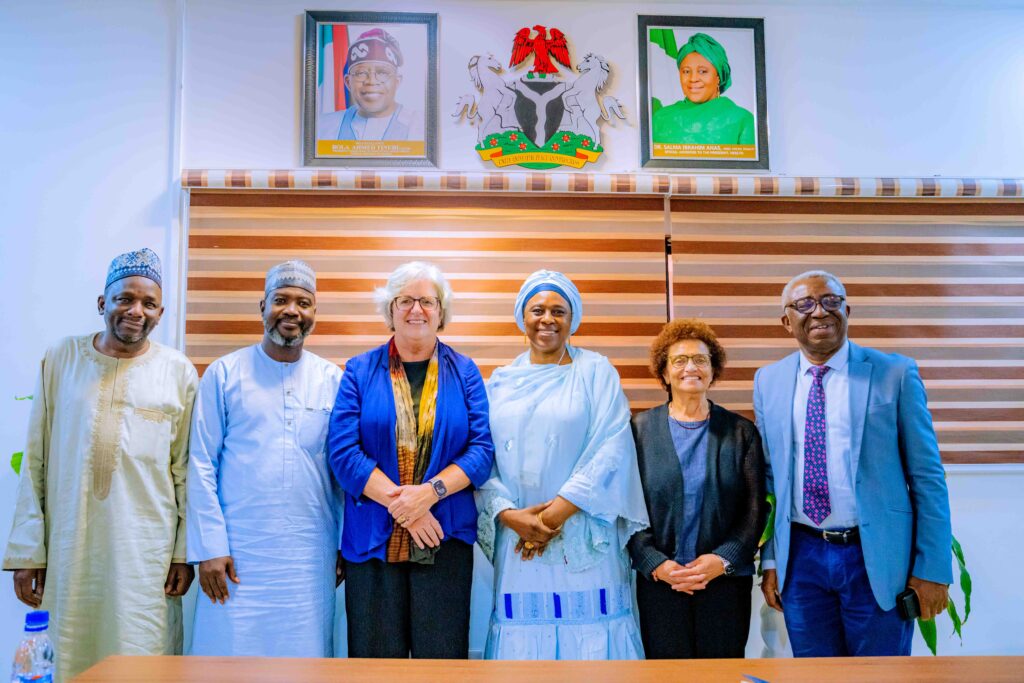
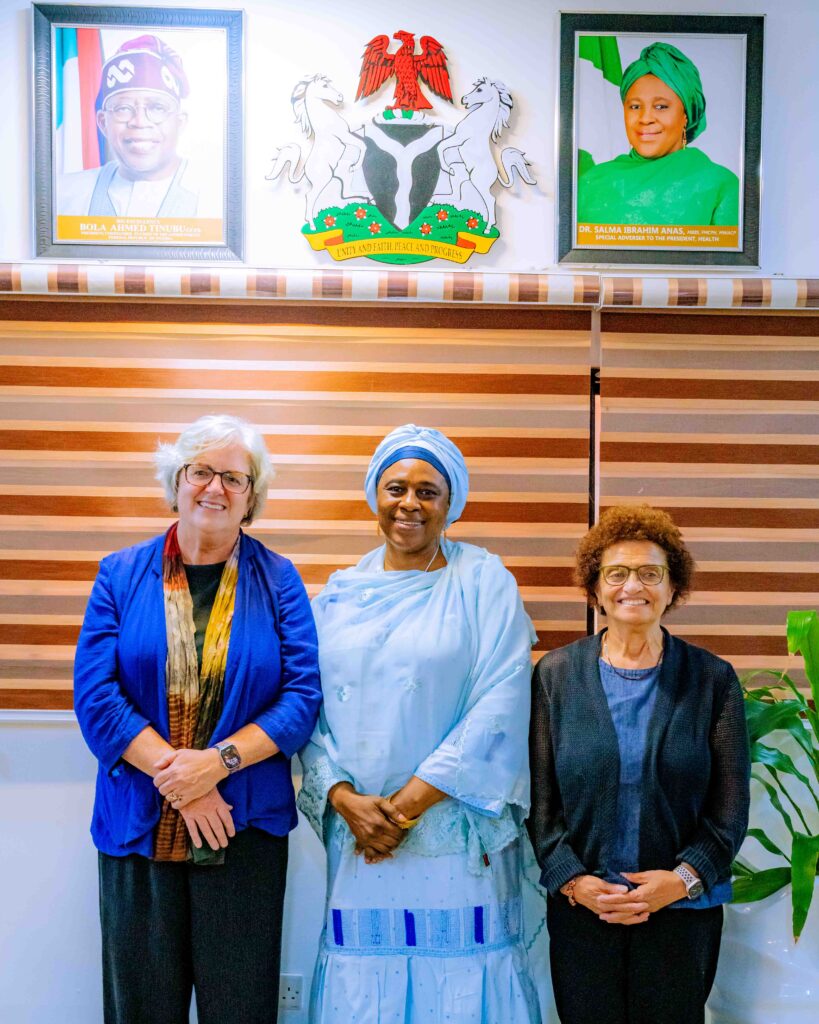
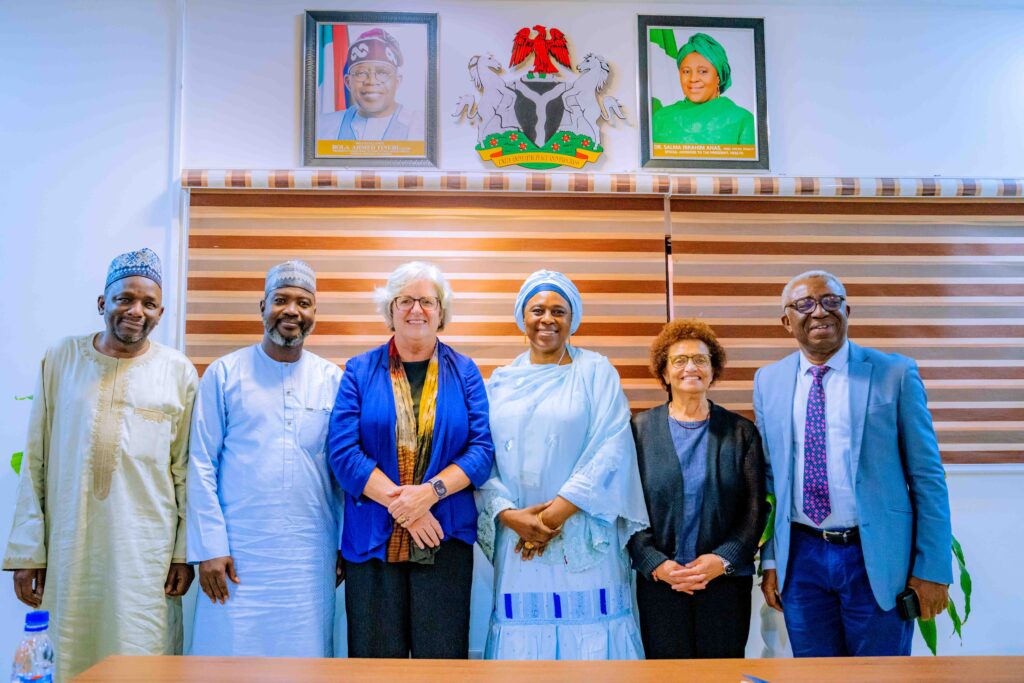
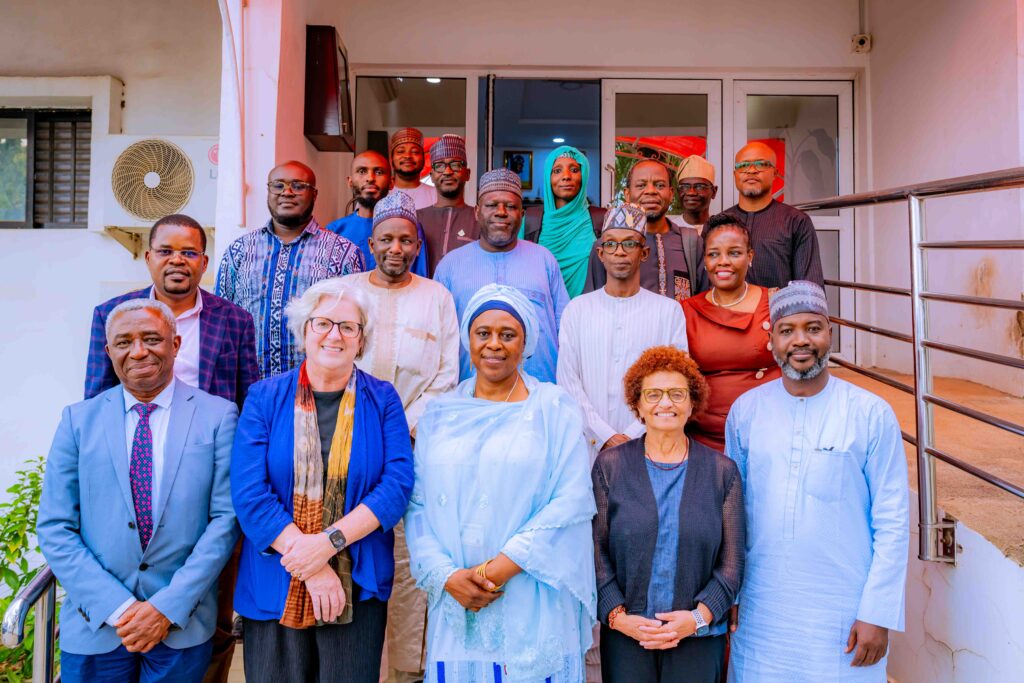
Nigeria carries one of the world’s heaviest burdens of child mortality — yet a substantial share of those deaths are never registered, and many never leave the community in which they occur. Closing that gap between what happens and what is known was the central theme of a courtesy visit paid by the leadership of the Child Health and Mortality Prevention Surveillance (CHAMPS) program to Dr. Salma Ibrahim Anas, Special Adviser on Health to the President of the Federal Republic of Nigeria, on the 17th of August 2026 at the Secretariat of the Presidency in Abuja, Nigeria.
The delegation, drawn from the CHAMPS Nigeria Country Team and US Program Office, was led by Dr. Cynthia Whitney, Executive Director and Principal Investigator of CHAMPS. Rosie Henson, Chief of Staff, joined her; Prof. Martin Meremikwu, Principal Investigator and Site Director for CHAMPS Cross River; Prof. Muhammad Bashir Faruk, Principal Investigator and Site Director for CHAMPS Bauchi; and other members of the US Program Office and site leadership.


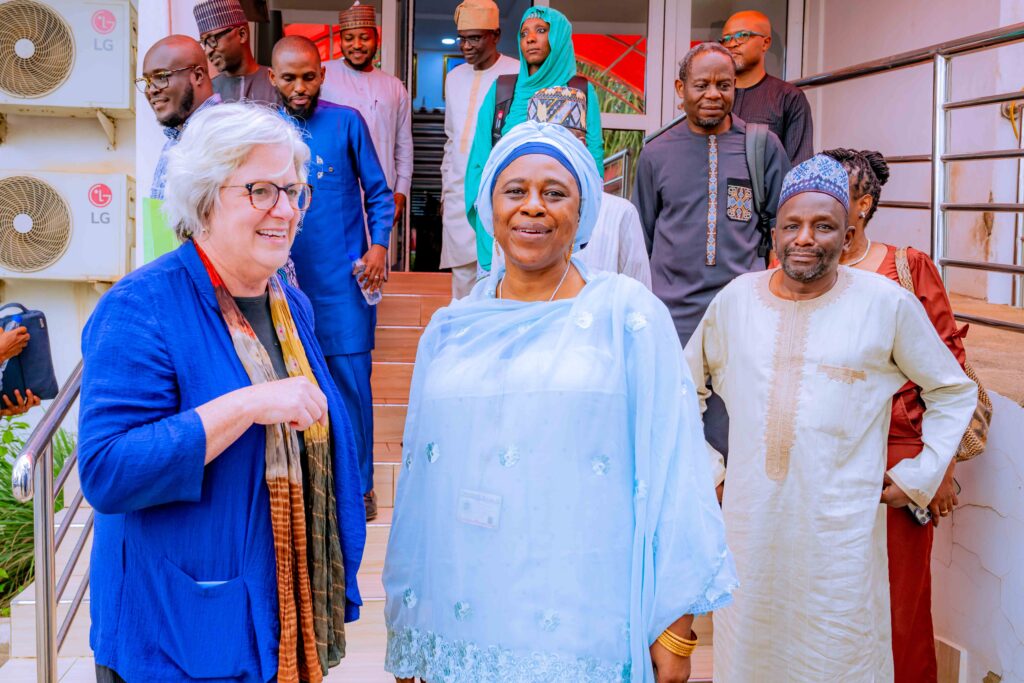
A commitment reaffirmed
Dr. Anas used the meeting to underline the Federal Government’s commitment to improving maternal, newborn, and child health (MNCH) outcomes — a key pillar of the administration’s health priorities. She recalled a courtesy visit from the CHAMPS team two years earlier, when the Nigeria program was still taking shape as an idea, and expressed her delight at seeing it come together in practice.
Dr. Whitney, for her part, spoke of the network’s enthusiasm at welcoming Nigeria into the CHAMPS fold, and of how much Nigeria’s participation matters to the network as a whole. Given the scale of the country’s child mortality burden, the insights generated here will shape the wider global understanding of why children die — and what can be done to prevent it.
The deaths that go unrecorded
Turning to the obstacles, Dr. Anas pointed to the persistent challenge of death registration and the many deaths in communities that go unreported altogether. Without a reliable record of who died and why, health planners are left designing interventions around estimates rather than evidence. CHAMPS’ methods, she observed, offer a practical route into understanding and addressing that gap.
Connecting to the grassroots
Dr. Anas encouraged the two CHAMPS sites to liaise with sub-national Maternal and Perinatal Death Surveillance and Response (MPDSR) committees, so that their work reinforces efforts already underway at the state and local level.
Nigeria’s MPDSR system operates through a decentralized, multi-level structure coordinated by the Federal Ministry of Health alongside subnational health boards. The committees review both facility and community deaths, trace their root causes, and translate those findings into corrective action. Aligning CHAMPS’ surveillance findings with these existing structures would give the committees a richer evidence base to work from, while ensuring CHAMPS’ insights reach the point where change is actually implemented. She also stressed the importance of sustained investment in advocacy at every level of society, from national policymakers through to community leaders and families.
Looking ahead
The visit points towards closer engagement between the CHAMPS sites in Bauchi and Cross River and the sub-national structures already working on maternal and perinatal death surveillance — and towards a broader effort to ensure the evidence CHAMPS generates informs both national policy and grassroots practice. The political will is there. The task now is connecting the data to the decisions.
Related News
August 17, 2026
CHAMPS Leadership Pays Courtesy Visit to Nigeria Center for Disease Control and Prevention (NCDC)
On 17 August 2026, a high-powered delegation from the Child Health and Mortality Prevention Surveillance (CHAMPS) Nigeria Country Team and US Program Office paid a courtesy visit to the Nigeria Center for Disease Control and Prevention (NCDC), where discussions centered on surveillance, laboratory capacity, and the use of mortality data to guide health decisions in […]

August 18, 2026
CHAMPS Nigeria Launches National Program to End Preventable Child and Newborn Deaths
CHAMPS Nigeria brings gold standard disease surveillance and data to the fight for child survival August 18, 2026, ABUJA, NIGERIA — Abubakar Tafawa Balewa University (ATBU) and the University of Calabar, in partnership with State and Federal Health Agencies, today formally launched the national Child Health and Mortality Prevention Surveillance (CHAMPS) Nigeria, a landmark initiative […]
Read More… from CHAMPS Nigeria Launches National Program to End Preventable Child and Newborn Deaths