

Site News
Intern Spotlight | Aliani Ahamada Saif-Dinne : Shaping the Future of Research
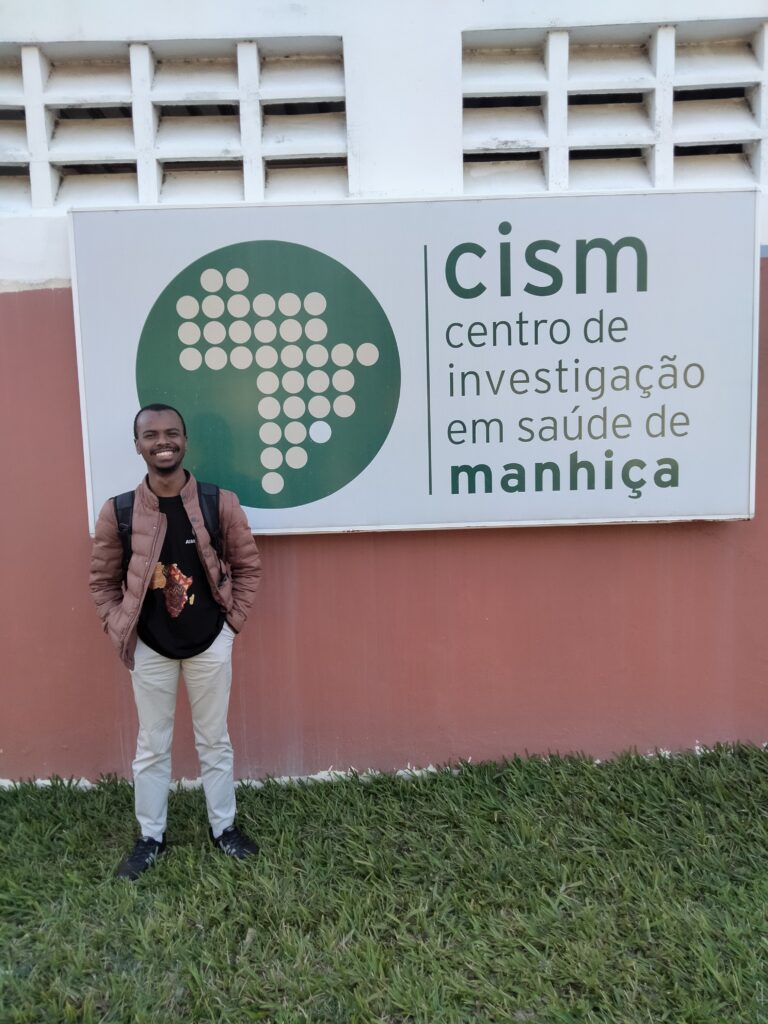
From May 2 to September 30, 2025, Aliani Ahamada Saif-Dinne joined the CHAMPS team in Manhiça, Mozambique, contributing to the ongoing research efforts at the Manhiça Health Research Centre (CISM). Aliani is an MSc in Mathematical Sciences graduate from the African Institute for Mathematical Sciences (AIMS) in Rwanda, specializing in Malaria Modeling. During his five-month internship, he applied his expertise in quantitative analysis to help refine our understanding of disease dynamics. His work in Manhiça highlights the importance of mathematical frameworks in addressing complex public health challenges.
In this spotlight, Aliani shares his experience working alongside field researchers and the technical insights he gained in Mozambique.
Part 1: The Data & The Project
1. What was the primary focus of your project?
The primary focus of the project was to apply unsupervised machine learning techniques to CHAMPS data to identify patterns of comorbidity among child deaths in Mozambique and to examine the distribution of malaria within these patterns.
2. How did you interact with CHAMPS Data specifically?
In my case, to achieve the project objectives, I worked with four CHAMPS datasets, which were initially analyzed separately and then combined into a single high-dimensional dataset. These datasets included demographic data, verbal autopsy data, TAC results data, and DeCoDe data. During the project, all analyses were conducted in R.
3. What was the most surprising or interesting trend you found in the data?
After the analysis, we found that the pediatric mortality in Mozambique follows two distinct comorbidity profiles. Among children aged 1 to 59 months, malaria emerged as the central driver of mortality, followed by its co-occurring conditions such as diarrheal diseases, sepsis, HIV, and malnutrition. In contrast, neonatal deaths were primarily dominated by perinatal causes such as perinatal asphyxia/hypoxia, neonatal preterm birth complications, congenital birth defects, congenital infection, neonatal aspiration syndrome, and neonatal sepsis, with malaria playing almost no role.
4. What were the biggest challenges you faced when cleaning or analyzing this specific dataset?
In my experience, the biggest challenge I faced was handling missing data. As the proportion of missing data was high across all datasets, particularly in the TAC results data, where overall missingness reached around 22%, this posed a real problem for not losing information within the dataset. So, to overcome this issue, we used techniques such as MICE (Multiple Imputation by Chained Equations) to impute missing values while preserving the statistical uncertainty inherent in the data.
Part 2: The Site Experience
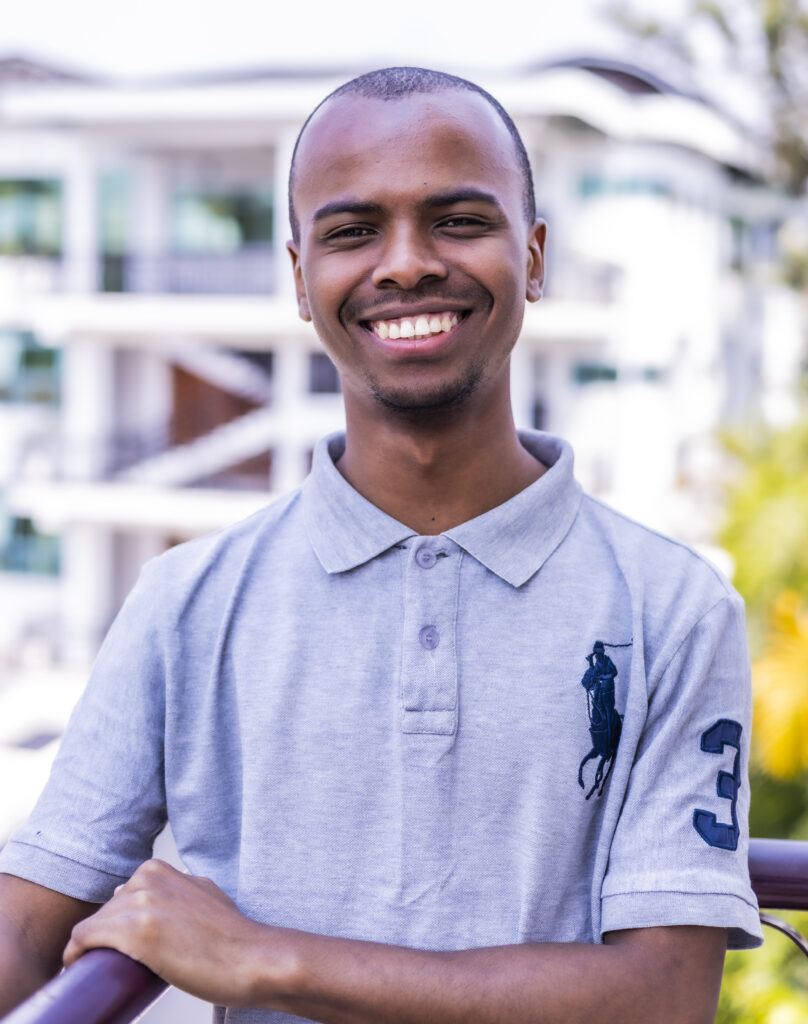
5. What was it like working on-site at CISM (Centro de investigação de Saúde de Manhiça), Manhiça, Mozambique?
For me, working at CISM (Centro de investigação de Saúde de Manhiça) in Mozambique was one of the best experiences of my life. What was most wonderful was that the local community members were incredible, welcoming, and always there to help us whenever we needed anything, from the beginning of our internship until its term. At CISM, we had nothing to worry about; they made sure our internship went perfectly.
6. How did being at the site change your understanding of the data you were analyzing?
This internship has completely changed my understanding of real-world data. Data collected on site are very different from those we use for our individual or group projects at school, from those we download online, or from those already included in a particular library in R or Python, which are ready to use. Raw data from sources are messy and complex; they require rigorous preparation before they are ready to use or analyzed with the statistical or mathematical models we want to apply, depending on the specific goals of the analysis.
7. Who was a mentor who made a difference during your time there?
I am continuously grateful to my supervisor, Dr. Arsenio Nhacolo, for his support and guidance throughout the completion of my project. He was always available whenever I needed his assistance during the project. Moreover, whenever I encountered challenges during the project, we worked together to find solutions, debugging code collaboratively, and discussing the best approaches to solve the problems effectively.
Part 3: The Impact & Future
8. How has this internship influenced your career goals in Global Health or Data Science?
My career goal is to become a data scientist in the health sector, and this internship has been a pivotal step for me toward that goal. It gave me hands-on experience with real-world health data, strengthened my analytical skills, and deepened my understanding of how data science can generate relevant insights for global health.
9. What advice would you give to a future intern about to start working with CHAMPS data?
CHAMPS data are rich in information, offering a valuable opportunity to apply your skills and help address real health challenges in Africa. Make the most of this experience to learn, explore, and demonstrate your ability to generate meaningful insights from complex data.
Part 4: Just for Fun (Rapid Fire)
- One word to describe the CHAMPS team at your site: Excellent
- Favorite local meal you ate during your internship: N/A
- Favorite tool/software shortcut you used daily: enter+shift with Rmarkdown in R Studio
- Soundtrack of your internship (one song or artist): Coldplay
Related News
February 17, 2026
Intern Spotlight | John Oluwabori Ayanwale : Shaping the Future of Research
From May 1 to August 31, 2025, the CHAMPS Mozambique site – Manhiça Health Research Centre (CISM) hosted John Oluwabori Ayanwale as part of the CHAMPS internship program. John joined the team from the African Institute for Mathematical Sciences (AIMS) in Rwanda. With an MSc in Mathematical Sciences and a specialized focus on Malaria Modelling, […]
Read More… from Intern Spotlight | John Oluwabori Ayanwale : Shaping the Future of Research
